What is a building, exactly?
We spent a day at the Register's office with every card drawer open, turning eleven typed lines and a pencilled back into a content model. It turns out a building is three things, has six names, and doesn't stop being a building when it is knocked down.
We arrived at the Register's office at nine with a box of index cards, a roll of brown paper and a lot of coffee. Úna had pulled all six drawers out of the cabinet and laid them along the table. Declan brought a pencil, which he did not put down all day. Sorcha, who runs the walks, came at eleven, straight from leading a group of thirty around the north quays in the rain.
The plan was the one we always use: one card per field, one question per card. What is this field for? Who fills it in? Who reads it? What happens if it's empty?
Eleven lines, one building
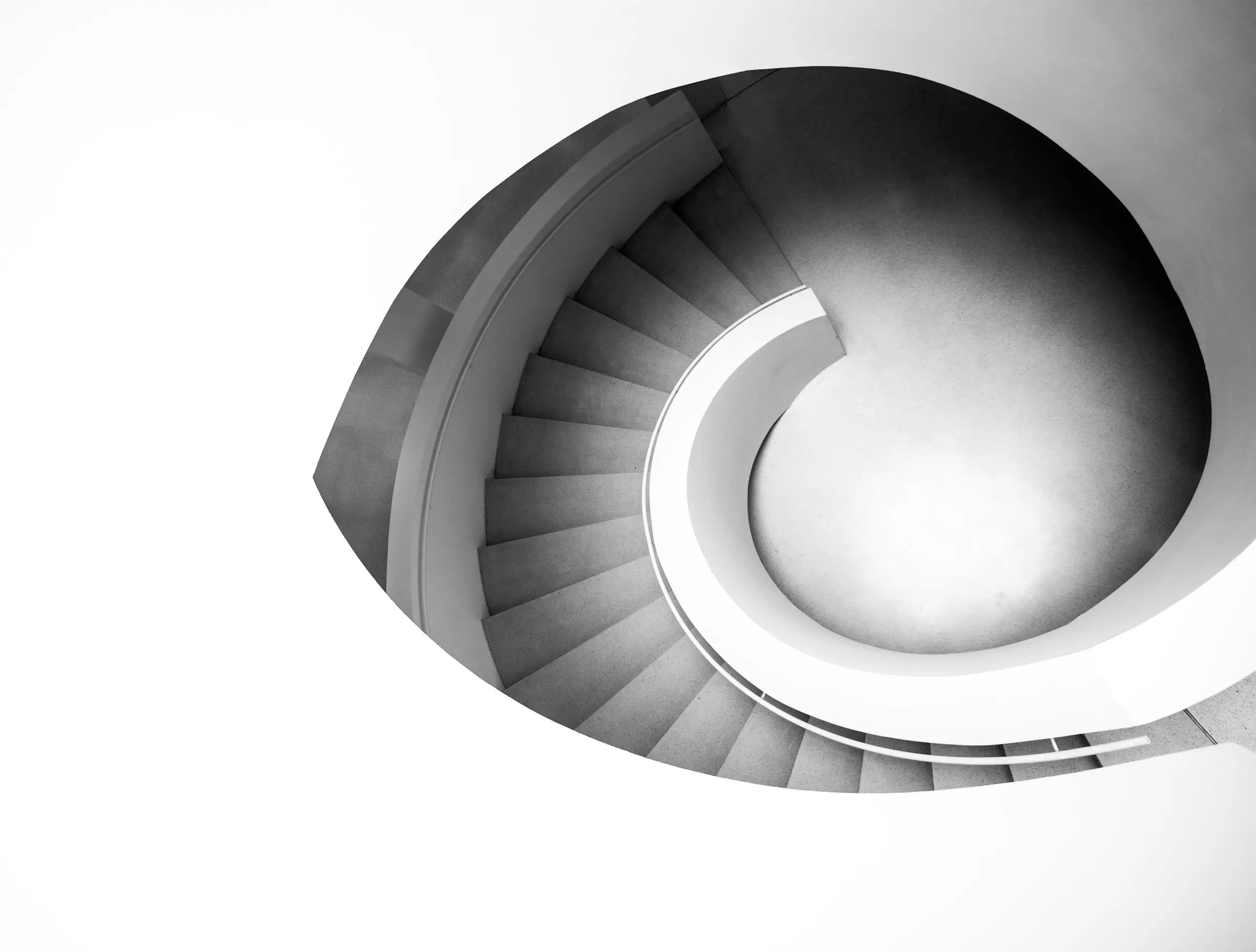
We started with one card. Úna chose it: Fennell Quay Bus Station, register number DMR 0412. It was built in 1964 by Kavanagh & Rowe, and it has a folded concrete roof that everyone in Dublin calls the Accordion. It is the building in the photograph on the stairs.
Its card has eleven typed lines. By eleven o'clock we had decided that most of them weren't about the bus station at all.
The architect was the first to go. "Kavanagh & Rowe" appears on forty-one cards, typed eleven different ways. The practice became Kavanagh Rowe Partners in 1971 and closed in 1988. It has a history, a list of buildings and, on Declan's side of the table, a lot of opinions. An architect is a thing of its own, and a building points to it. Usually to more than one: the bus station's 1981 extension was by someone else entirely.
The address was next. The bus station has had three. The street was renumbered in 1972, and the quay was renamed in 1990. Sorcha said the walks follow streets, not buildings: "We go down a street and stop at things." A street became the third thing.
That left the building itself: its names, its year, its status, its photographs, and the back of the card.
The name problem
Then we got to the name, and it took until lunch.
The card says "Fennell Quay Bus Station". Nobody calls it that. Declan calls it the Accordion. Úna's mother called it the Concertina. On the walks, people ask for "the one with the crinkly roof". By lunch we had six names on the brown paper, and Sorcha said she has heard more.
So a building doesn't have a name. It has an official name and a list of the names people use, and search has to find it by any of them. Leela will write about that part later. It was the most important decision of the day, and we nearly missed it.
Where Declan's notes go
The last card we turned over was the back of DMR 0412, in Declan's pencil. We asked what the back of the card was for, and there was a long pause, and then Declan said: "That's where I wrote what I'd tell someone if they asked."
It holds things like this:
Walk in from the quay side, not the bus side. Kavanagh wanted you to come in under the lowest fold of the roof and feel it lift.
This is the best content in the Register. It belongs to the building, not the architect, because it is about this building, from this pavement. It became its own field, Note, written in the first person and signed by whoever wrote it. Callum is writing a style guide for it, which he says will be one page. We'll see.
The model, roughly
By the end of the day the cards had become this:
Thing | Main fields | Points to |
|---|---|---|
Building | Official name, other names (list), year, status, register number, note, photos | Architects, Street |
Architect | Name, years active, other names, description | |
Street | Name, former names, area, map line |
Status became one field with three values: standing, altered, demolished. A demolished building keeps its page, its photographs and its note, with the year it came down. Úna was very firm about that, and she is right: half the letters she gets are about buildings that are gone.
Plus a few things we'll add later: walks, events, the volunteers' rota. None of those were hard. The building was hard, and the building is done.
Fifty-three cards went on the brown paper. Eleven typed lines and one pencilled back, it turned out, became fourteen fields across three things, and the line that said Use (orig.) went in the pile. Nobody knew what it was for. Not even Declan.