Photographing concrete in flat light
Concrete looks best on the days everyone else stays indoors. Three weeks of grey mornings, 1,400 photographs of the Register's buildings, why every one of them was taken from the pavement, and why we handed over the originals uncropped.
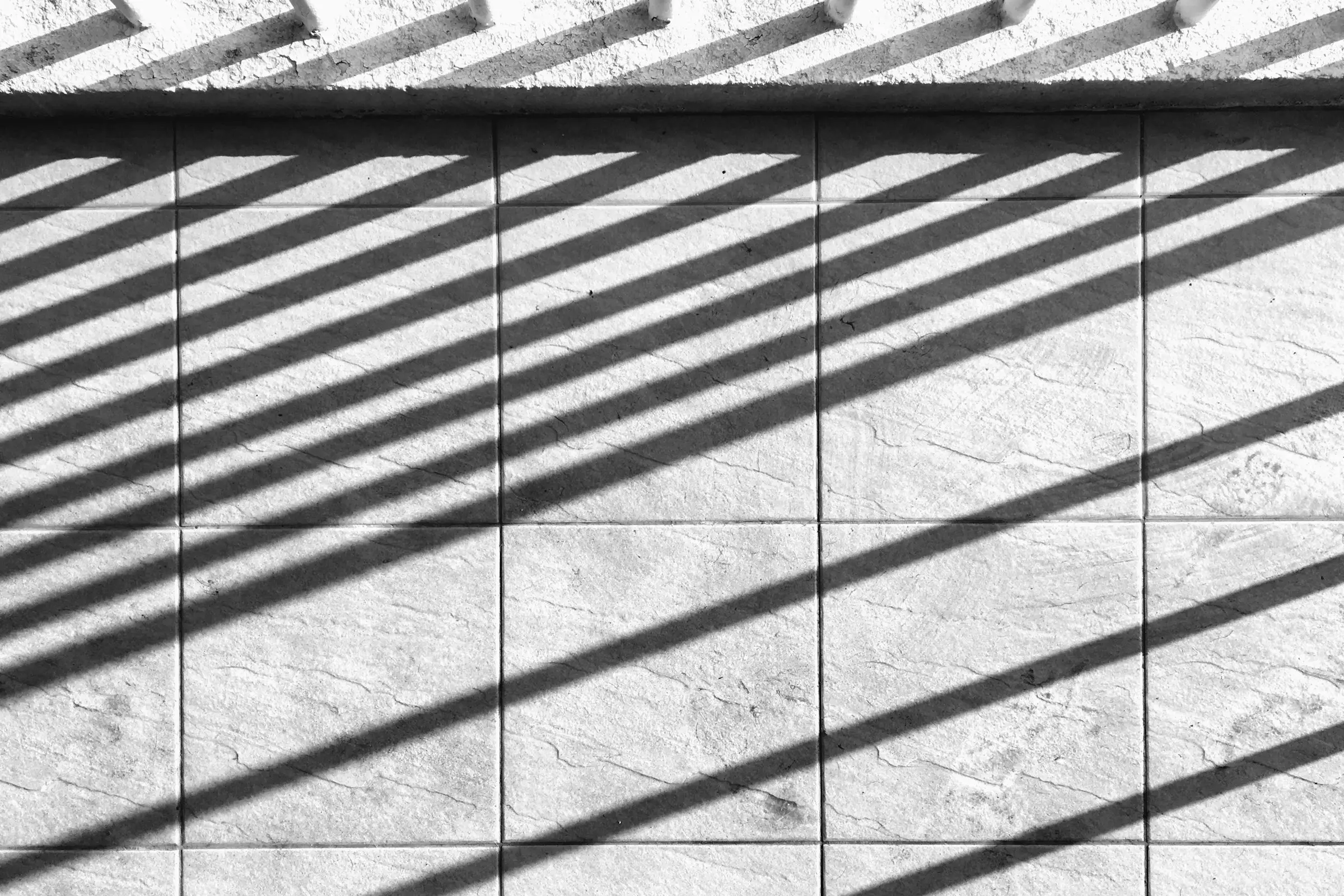
Most architectural photographers wait for sun. Hard light, deep shadows, a blue sky behind the building. It makes a striking picture, and it is the wrong picture for the Register.
Sun on concrete hides the concrete. The bright faces burn out and the shadows go black, and what disappears in between is the reason people love these buildings: the board marks, the aggregate, the patch where the 1981 extension doesn't quite match. On a flat, grey morning, the whole surface is readable. So I spent three weeks in June waiting for the weather everyone in Dublin complains about. It was not a long wait.
From the pavement
The brief for every photograph was simple: stand where a person stands.
No drones, no ladders, no wide-angle lens pressed against the opposite wall. Each building was photographed from the pavement, at eye height, from the place where someone on a walk would stop and look. If the best view needed a key to a neighbour's roof, I didn't take it, because nobody on a Saturday walk will have that key.
It makes the photographs plainer than an architecture magazine's. It also makes them useful. When someone stands in front of the building with the page open on their phone, the photograph matches what they see.
The list
Úna and Declan gave me a list of 312 buildings to start with: every building on the twelve walks, plus the ones people write to ask about most. For each one I took:
The view from the street, straight on where possible, with the verticals kept vertical.
The detail, whatever Declan's note talks about: the door you are meant to use, the window that was changed, the board marks on a column.
The way in, because the Register's note so often begins with "walk in from".
I worked from first light until about ten, before the traffic and the parked vans filled the views. By the end I had 1,400 photographs, and a lot of conversations with people who wanted to know why anyone would photograph their office block.
The Accordion
The bus station took three mornings. Its folded roof is impossible in sun: half the folds go white and half go black, and it looks like a cardboard model. On the third morning it was overcast and still, and the roof turned into what Declan says it is, a single sheet of concrete that someone folded like paper.
Then I went underneath and photographed the way in from the quay side, under the lowest fold, the way Kavanagh wanted. My phone lost its signal as soon as I stepped under the roof, which I mentioned to Leela that afternoon. She went quiet and wrote something down. She'll explain why.
Uncropped originals
Every photograph went to the Register at full size, uncropped, with a note on what it shows. I didn't prepare a square version, a wide version and a thumbnail. The website asks for the size and crop it needs when it needs it, from the original. If someone redesigns the site in five years and wants tall images, the originals are still there, and nobody has to call me.
It also means Elias can change his mind about the design, and he will, without asking me to export anything again.
What I learned
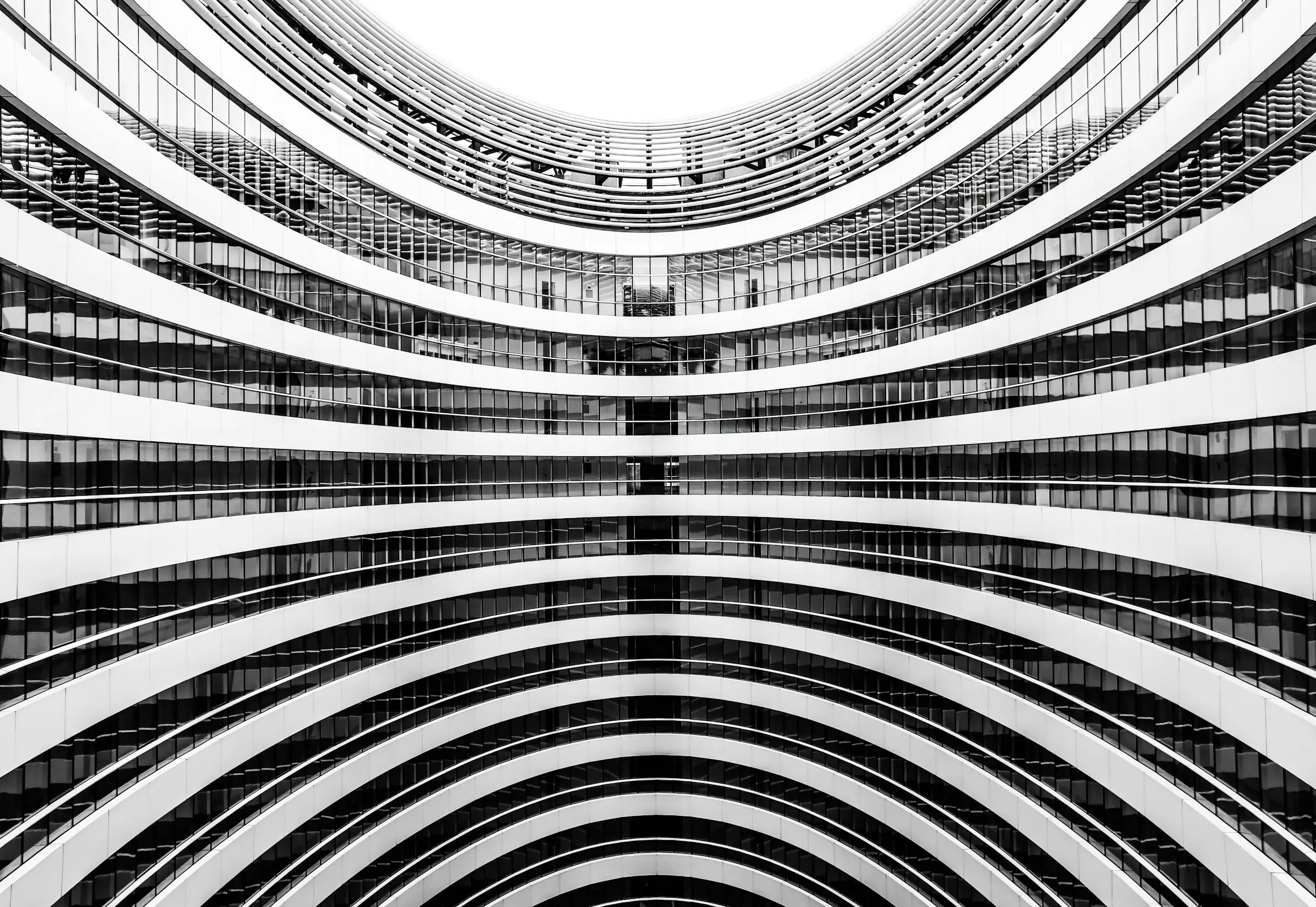
Buildings that nobody loves photograph better than you expect. The plain office blocks on the walks, the ones people walk past every day, were often the best pictures, because in flat light their grid of windows finally looks like what it is: one idea, repeated with care, two hundred times.
And the volunteers know where to stand. Sorcha walked me to the spot for every building on Walk 3, and every time she was right. The best view of a building, it turns out, is where the people who love it have been standing for years.