1,912 buildings and one card index
The Modern Register asked us for a new identity, a website, walking routes and plaques for Dublin's twentieth-century buildings. All 1,912 of them lived on index cards in six oak drawers, kept with care since 1989. We said yes, and this is why.
The Modern Register works from two rooms above a bicycle shop on Fennell Quay. You go up a staircase that smells faintly of tyres, past a framed photograph of a bus station, and into an office with six oak card drawers along one wall. Those drawers are the Register.
It was started in 1989 by Frances Rowe, an architectural historian who was tired of watching good buildings come down without anyone writing them down first. She began with a typewriter and a shoebox of cards. Thirty-seven years later there are 1,912 cards: every building in Dublin from 1930 to 1990 that someone has thought worth recording. Bus stations and churches, flats and schools, a swimming pool, a petrol station with a roof like a wing, and a great many offices that nobody loves yet.
The card index
Each card has eleven typed lines: name, address, year, architect, use, status, and a few more. They were typed until 1998 and handwritten since, in at least six different hands. The backs of the cards are where the real content is. Declan Moran, a retired architect who has volunteered here for twenty-two years, has written notes in pencil on the back of most of them: what the building is like to walk past, what was changed and when, which door the architect meant you to use.
One drawer is labelled "Demolished". It holds 214 cards, and Úna Fitzgerald, the registrar, will not hear of throwing any of them away. "They are still part of the city," she said. "They are just not standing in it."
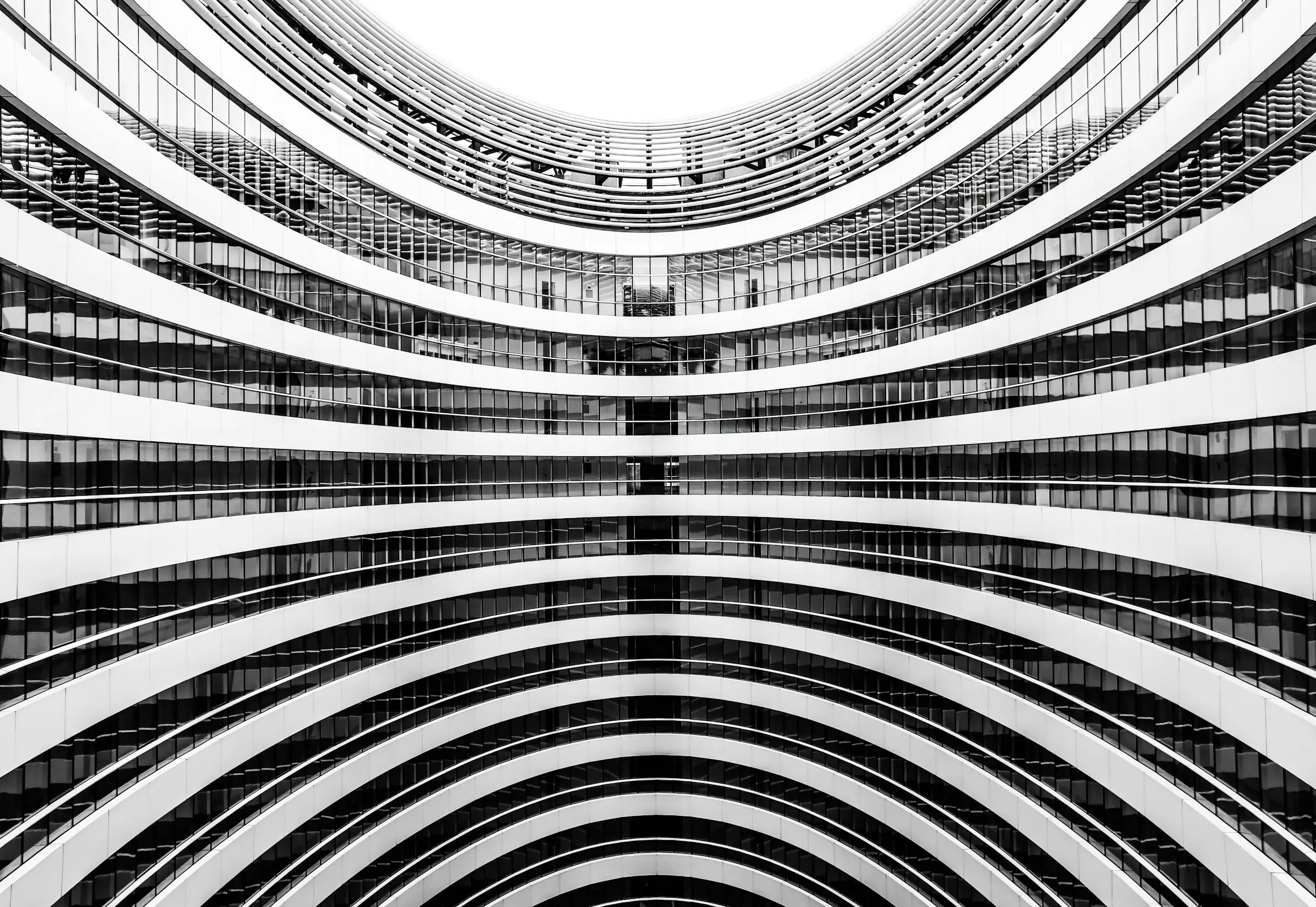
And one card, filed under nothing in particular, is headed ?. It has a photograph of a curved concrete building and no other information at all. Nobody knows where it is.
Next to the drawers, on the office computer, is a shared drive called REGISTER_PHOTOS_FINAL with about 60,000 photographs, in folders named by whoever took them. Some are called Declan 2004. One is called NEW NEW.
What they asked for
Úna's brief fitted on one page, which we liked immediately:
People write to us asking about buildings. Úna answers every letter, and some weeks that is all she does. Could the answers be somewhere people can find them?
The volunteers lead walks every Saturday from April to October. Could the walks be something people take with them?
There are plaques on some buildings, but they say only the name and a year. Could a plaque tell you more?
And could the volunteers keep it up to date themselves, without the cards going in a post bag to one person and coming back weeks later?
She also asked, quietly, at the end of the first meeting, whether something could be done about the logo. It is a clip-art skyscraper in navy blue, from 1996. Dublin does not have skyscrapers. It is still on the volunteers' lanyards.
Why we said yes
We are a small studio, and this is a big job: strategy, identity, a website, a walking guide that works on the street, plaques, and photography. It will take most of our year. We said yes for three reasons.
The content is extraordinary. Declan's notes are some of the best writing about buildings I have read, and nobody outside that office has seen them. A website that finally lets people read them is worth building.
The people want to own it. Úna and the volunteers don't want a website made for them and handed over. They want to keep it themselves, from the pavement, with a phone. That is exactly the kind of project we do well, and the kind we learn the most from.
It is a real content problem. A building is not a simple thing. It has an architect, often several. It has a name, often several. It has had more than one address, and in 214 cases it no longer exists. Modelling that properly will decide whether the website works, and we love that part.
What happens next
In three weeks, Aoife runs the first workshop, at the long table in the Fennell Quay office, with every card drawer open. Elias starts on the identity, beginning with the foundation stone of the bus station in the photograph on the stairs. Marta goes out to photograph in the first flat, grey week she can find, which in Dublin should not take long.
We'll write here as it goes: what we decide, what we get wrong, and what the Register's volunteers teach us. It starts with one question, which is going to take a full day to answer: what is a building, exactly?