Launch night, and the one thing we got wrong
The Register launched on Saturday night of Open House weekend, under the Accordion's roof, with a hundred and twenty guests and a brass quartet. At 7:52 a board member scanned the bus station's own plaque and got a page that didn't exist. What broke, how we fixed it in twenty minutes, and what we changed so it can't happen again.
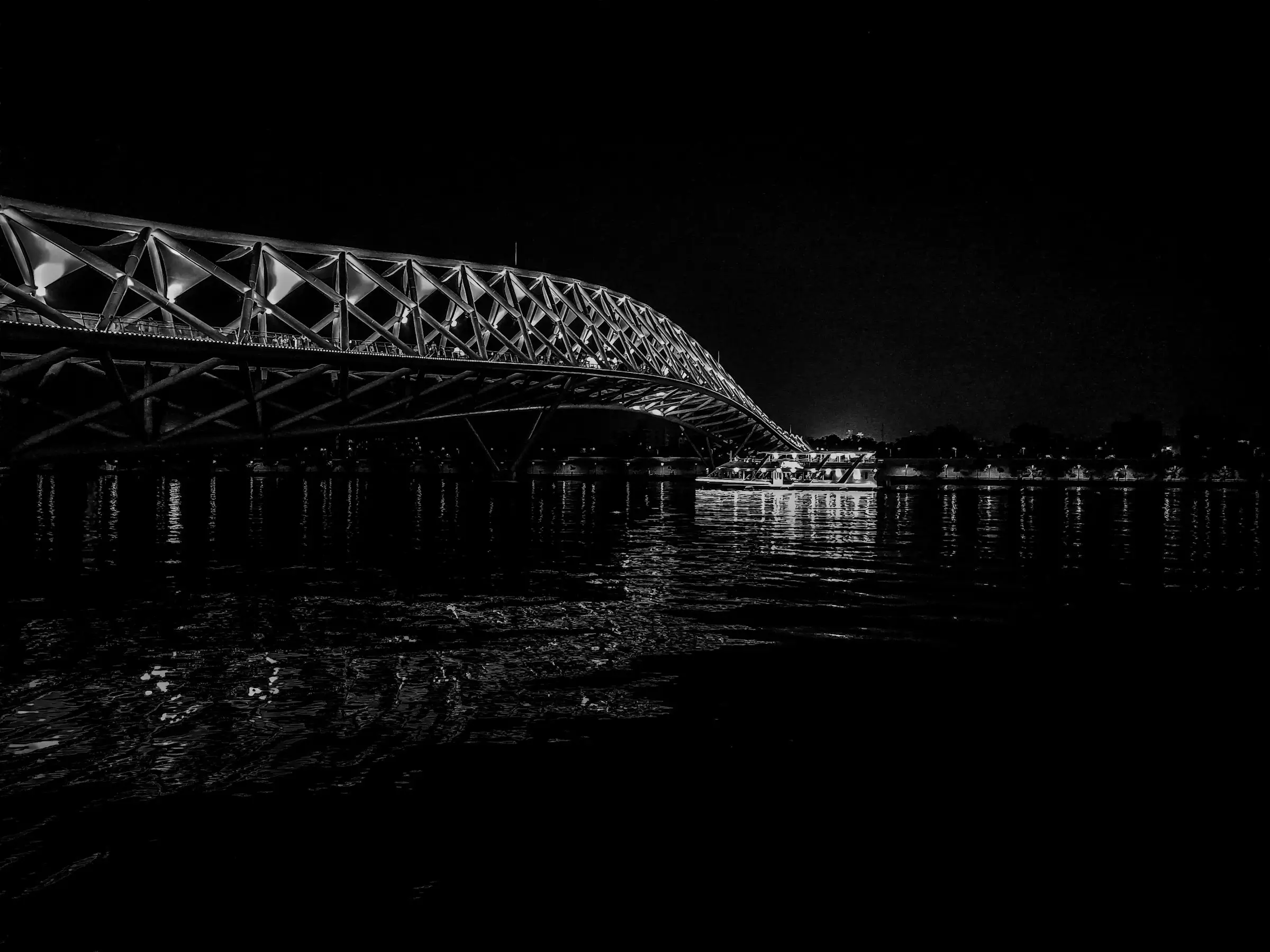
The Modern Register's new website launched on Saturday 10 October, the middle of Open House weekend, in the concourse of Fennell Quay Bus Station. A hundred and twenty people came: volunteers, architects, people from the city council, Frances Rowe, who started the Register in 1989, and a brass quartet who played under the folded roof and sounded, everyone agreed, enormous.
The site went live at 7:30 p.m., when Úna pressed a button on a laptop balanced on the timetable stand. At 7:52, a board member walked over to the bus station's new plaque, scanned the code with her phone, and got a page that said the building didn't exist.
What happened
The plaques' codes hold a web address: the Register's website, then the building's name, then its register number. Elias designed around that format in July. It's readable, and it's what we chose.
In September, Callum did the editing pass: every official name into plain, uninverted form, the way you'd say it. It was the right thing to do. "Station, Fennell Quay Bus" became "Fennell Quay Bus Station", and 417 other names were improved the same way.
What we missed: the building's address was made from its name. When the name changed, the address changed with it. And 214 plaques had already been made, fired in enamel in Kilkenny, with the old addresses in their codes.
On launch night, 214 plaques on 214 buildings around Dublin pointed at pages that no longer existed. Including the one on the wall of the building we were standing in.
Twenty minutes
The fix was simpler than the problem, because nothing had actually been lost. Every building still existed. Only its address had changed, and the website's history knew both addresses: the old one, from before the editing pass, and the new one.
So I sat on the steps of the platform 4 bus bay with my laptop, under the one fold of the roof where the venue's wi-fi reached, and wrote a short script. For every building whose address had changed since the plaques were made, it added a redirect from the old address to the new one. Then I published the site again.
At 8:14, the board member scanned the plaque again. It opened the bus station's page, with Declan's note about walking in from the quay side. She showed Úna. Úna showed Frances. The quartet played something triumphant, which I'm told was a coincidence.
What we changed
The redirects fixed launch night. They don't fix the cause, which is that a building's address depended on something that is meant to change. So, the week after launch:
Addresses are typed once. A building's address is now its own field. It's filled in from the name when the building is first created, and never changes by itself after that. Changing the name changes the name.
New plaques carry only the register number. DMR 0412 will be DMR 0412 for as long as the Register exists. The address on the plaque no longer includes the name at all.
Old addresses keep working. The redirects from launch night stay, permanently. Every address that has ever been on a plaque will open the right page.
What I learned
The mistake was ours, not Callum's. The editing pass was a good idea, done well. The problem was a decision I made in May about addresses, because readable addresses are nice, and I never asked what that field was for. An address on a plaque is printed. It's fired in enamel. It's bolted to a building for decades. It should have been treated as permanent from the start.
Aoife pointed out, kindly, that this is exactly the question she asks in every workshop. I've added it to my own checklist: before a field becomes part of an address, ask who will print it.
The quartet stayed until eleven. Declan took the last bus home from the station, and said it was the first time in fifty years it had felt like his.